Integrating Dirty Wavy Brush Shapes and Grungy Brushes into Professional Design Workflows
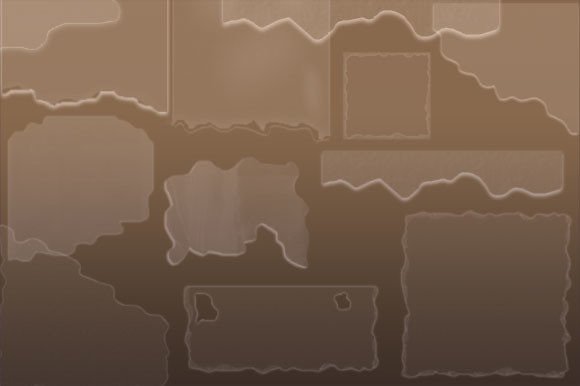
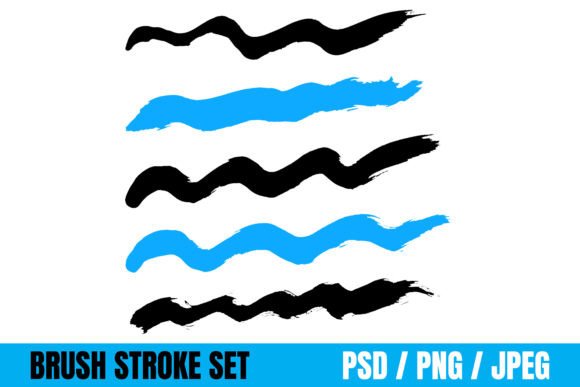
In the realm of digital design, texture is often the differentiator between a sterile, template-based output and a piece of work that feels authentic and handcrafted. Dirty Wavy Brush Shapes, Grungy Brushes represent a specific category of assets designed to inject organic imperfection into structured layouts. For professionals ranging from brand strategists to independent publishers, understanding how to deploy these assets effectively is less about artistic flair and more about strategic workflow integration. This set of paintbrush strokes is perfectly created for your creative projects, offering a bridge between digital precision and analog warmth.
The value of these assets lies not just in their aesthetic appeal but in their versatility across formats. These paintbrush strokes come in different formats so you can use these paintbrush strokes anywhere you want. Whether you are working within a complex layered environment or need a quick overlay for social media, the availability of PSD, JPEG, and PNG files ensures compatibility with virtually any software stack. This article explores how to integrate these grungy elements into your existing processes, ensuring they enhance rather than clutter your final deliverables.
Strategic Placement in the Design Lifecycle
Many designers make the mistake of treating texture as an afterthought, applying it only when a composition feels too empty. However, for optimal results, Dirty Wavy Brush Shapes, Grungy Brushes should be considered during the initial conceptualization phase. When planning a project, determine if the brand voice or message requires a raw, tactile feel. If the answer is yes, these brushes become foundational elements rather than decorative add-ons.
During the execution phase, these assets interact dynamically with other design components. For instance, when creating a logo, a grungy brush stroke can soften the rigidity of geometric typography, making the brand appear more approachable and human-centric. In contrast, using them on a book cover might involve layering multiple strokes to create depth and shadow, simulating the physical application of ink on paper. By positioning these tools early in the workflow, you ensure that the texture informs the layout, spacing, and color choices, leading to a more cohesive final product.
Format Compatibility and Technical Implementation
One of the primary advantages of this collection is the inclusion of multiple file formats, each serving a distinct purpose in a professional workflow. Understanding when to use PSD, JPEG, or PNG files is crucial for maintaining efficiency and quality control.
- PSD (Photoshop Document): This format is ideal for deep editing. It allows you to adjust the opacity, blending modes, and color of individual brush strokes non-destructively. Use PSDs when you are building complex compositions in Adobe Photoshop or compatible software, as it preserves layer integrity and enables future modifications without quality loss.
- PNG (Portable Network Graphics): With transparent backgrounds, PNGs are the go-to choice for web design, social media banners, and overlay applications. They allow you to drop a brush shape directly onto a website header or a digital advertisement without needing to remove a background manually. This saves significant time in high-volume production environments.
- JPEG (Joint Photographic Experts Group): While lacking transparency, JPEGs are useful for quick previews or when integrating textures into software that does not support layered files. They are also suitable for print-ready proofs where the background color is already defined.
By organizing your asset library according to these formats, you streamline the retrieval process. A well-organized folder structure ensures that you spend less time searching for the right file type and more time focusing on creative execution.
Application Across Industries and Use Cases
The versatility of Dirty Wavy Brush Shapes, Grungy Brushes means they can be applied across a wide spectrum of industries. Here is how different professionals can leverage these assets in their specific workflows:
Branding and Identity
For small business owners and marketers, standing out in a saturated market is critical. Using grungy brushes in logo design or packaging can convey authenticity and craftsmanship. A coffee shop, for example, might use wavy, dirty brush strokes on its packaging to suggest artisanal quality and manual preparation. This visual cue aligns the product’s appearance with its value proposition, enhancing consumer trust.
Digital Marketing and Social Media
Social media managers require content that stops the scroll. Static, clean graphics often blend into the background. Incorporating dynamic brush strokes into social media banners or post templates adds movement and energy. You can use these elements to frame text, highlight key offers, or create unique dividers between sections of an infographic. The irregular edges of grungy brushes draw the eye naturally, improving engagement rates.
Publishing and Editorial Design
Book cover designers and bloggers can use these strokes to establish mood. A thriller novel might utilize sharp, aggressive grunge marks to evoke tension, while a memoir might use softer, wavy lines to suggest memory and fluidity. In blog posts, custom headers created with these brushes can reinforce the writer’s personal brand, making the content instantly recognizable to regular readers.
Craft and Physical Products
Even in physical craft projects, these digital assets serve a purpose. Designers can print these strokes onto transfer paper for T-shirts, stickers, or handmade cards. The high resolution of the provided files ensures that the texture remains crisp even when scaled up for larger prints. This bridges the gap between digital design and tangible goods, allowing creators to prototype designs digitally before committing to physical production.
Best Practices for Quality Control and Consistency
While grungy textures are inherently imperfect, their application must be controlled to maintain professional standards. Overuse can lead to visual noise, making the design difficult to read or understand. To avoid this, adhere to the principle of subtraction. Start with a clean layout and introduce brush elements sparingly. Ask yourself if each stroke serves a functional purpose, such as guiding the viewer’s eye or emphasizing a focal point.
Consistency is another key factor. If you use a specific style of dirty wavy brush in your header, carry that same visual language through to your footer or secondary graphics. Mixing disparate texture styles can confuse the audience and dilute brand identity. Establish a style guide that defines how and where these brushes are used, ensuring that all team members or collaborators produce work that feels unified.
Furthermore, consider the context of the medium. On high-resolution screens, subtle textures add sophistication. On low-resolution displays or small mobile screens, heavy grunge effects may appear muddy. Test your designs across multiple devices to ensure legibility and aesthetic appeal remain intact. Adjust the opacity or scale of the brush strokes accordingly to optimize for different viewing conditions.
Long-Term Value and Asset Management
Investing in a comprehensive set like Dirty Wavy Brush Shapes, Grungy Brushes offers long-term value by reducing the need to create custom textures from scratch for every project. Over time, you will develop a repertoire of favorite combinations and techniques. Document these successes in a personal knowledge base or project template library. This practice accelerates future workflows, allowing you to replicate successful patterns while adapting them to new contexts.
Additionally, keep your software updated to ensure full compatibility with the PSD files. As design tools evolve, features like smart objects and advanced blending modes become more powerful, enabling even more sophisticated manipulation of these brush assets. Staying current with technical developments ensures you extract maximum utility from your resources.
In conclusion, integrating Dirty Wavy Brush Shapes, Grungy Brushes into your design process is a strategic move that enhances authenticity and visual interest. By understanding the technical specifications, planning their placement early in the workflow, and applying them with discipline and consistency, you can elevate your projects across various mediums. Whether you are designing a logo, a website banner, or a physical product, these tools provide the flexibility and quality needed to meet professional standards. Embrace the imperfection they offer, and let it serve as a testament to the human touch in an increasingly digital world.