Mastering Vintage Floral Brushes: A Guide to Baroque Damask Design Assets
In the evolving landscape of digital art and graphic design, the fusion of historical aesthetics with modern technology has created a unique niche for creators. Among the most sought-after tools in this space are vintage floral brushes, specifically those rendered in the intricate Baroque damask style. These assets are not merely decorative elements; they are powerful instruments that allow designers to infuse their work with elegance, history, and sophistication. Whether you are a seasoned illustrator or a beginner exploring digital painting, understanding how to utilize these twelve vector brushes can significantly elevate your creative output.
The appeal of vintage design lies in its timeless quality. Unlike fleeting trends, the ornate curves and detailed patterns of Baroque art have remained relevant for centuries. By integrating these styles into contemporary software like Adobe Illustrator and Photoshop, designers can bridge the gap between classical artistry and digital efficiency. This article explores the purpose, significance, and practical application of these vintage brushes, helping you understand how they fit into modern creative workflows.
Understanding the Baroque Damask Aesthetic
Before diving into the technical aspects of using these brushes, it is essential to appreciate the artistic foundation they represent. The term "Baroque" refers to a highly ornate and often extravagant style of architecture, art, and music that flourished in Europe from the early 17th until the mid-18th century. When combined with "damask"—a reversible figured fabric of silk, wool, linen, cotton, or synthetic fibers, with a pattern formed by weaving—the result is a visual language of luxury and complexity.
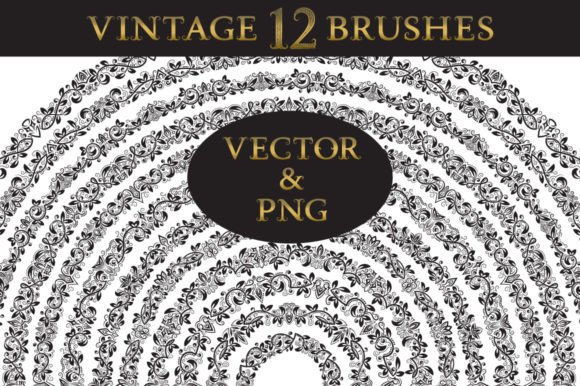
Vintage floral brushes in this style typically feature symmetrical arrangements, scrolling vines, and elaborate floral motifs. These elements are designed to create a sense of movement and depth. For modern designers, replicating these patterns manually would be incredibly time-consuming. This is where pre-made brush sets become invaluable. They provide a shortcut to achieving high-quality, historically accurate designs without requiring years of training in classical drawing techniques.
The Versatility of Vector vs. Raster Formats
One of the most significant advantages of the brush set described here is its multi-format availability. Understanding the difference between vector and raster graphics is crucial for maximizing the utility of these assets.
- Vector Files (AI and EPS): The set includes 12 vintage brushes in AI CC and EPS CC files, as well as pattern shapes for AI CS and EPS 10. Vector graphics are based on mathematical equations, meaning they can be scaled to any size without losing quality. This makes them ideal for large-format printing, such as banners, wedding invitations, or packaging design.
- Raster Files (PNG): The inclusion of 12 PNG files with transparent backgrounds caters to users who prefer working in Photoshop or other pixel-based editors. While these cannot be scaled up indefinitely without pixelation, they are perfect for web graphics, social media posts, and digital compositing.
This dual approach ensures that regardless of your preferred software or project requirements, you have the appropriate tool at your disposal. It eliminates the frustration of incompatible file types and allows for a seamless workflow across different platforms.
Practical Applications in Modern Design
The utility of these vintage floral brushes extends far beyond simple decoration. They can be integrated into various aspects of modern life, business, and creativity. Here are several ways professionals and hobbyists alike can leverage these assets:
- Branding and Identity: Luxury brands often rely on heritage and elegance to convey value. Using Baroque damask patterns in logo design, business cards, or packaging can instantly communicate a sense of premium quality and tradition.
- Wedding and Event Stationery: The romantic and intricate nature of floral brushes makes them a staple in the wedding industry. Designers can use these vectors to create custom borders for invitations, save-the-dates, and menu cards, offering clients a bespoke look without the high cost of hand-lettering.
- Textile and Surface Pattern Design: Fashion designers and interior decorators can use the vector shapes to create repeating patterns for fabrics, wallpapers, and home decor items. The ability to recolor these patterns independently allows for endless customization to match specific color palettes.
- Digital Content Creation: Bloggers and social media managers can use the PNG files to add subtle, elegant touches to their headers, post backgrounds, or promotional graphics, helping their content stand out in a crowded digital space.
Customization and Creative Freedom
A common misconception about pre-made brushes is that they limit creativity. In reality, these tools are designed to enhance it. The ability to independently paint these patterns in other colors is a key feature highlighted in this collection. This means you are not stuck with the default black or sepia tones. You can adapt the brushes to match any brand guideline or artistic vision.
For users with older versions of Illustrator, such as CS, the inclusion of vector shapes in templates ensures compatibility. This attention to detail demonstrates a commitment to accessibility, ensuring that financial constraints or software limitations do not bar creators from accessing high-quality resources. Furthermore, the option to use raster shapes in Photoshop provides flexibility for those who prefer layer-based editing over path-based manipulation.
Best Practices for Using Vintage Brushes
To get the most out of these twelve vintage brushes, consider the following best practices:
Start with Composition: Before applying the brushes, sketch out your layout. Baroque designs are often dense and intricate. Ensure you have enough negative space to let the details breathe. Overcrowding your design with too many complex patterns can overwhelm the viewer.
Experiment with Color: Do not be afraid to deviate from traditional gold and cream palettes. Try using modern, bold colors like teal, mustard yellow, or deep navy to give the vintage patterns a contemporary twist. This juxtaposition of old and new can create striking visual interest.
Layering Techniques: In Photoshop, use the PNG files on separate layers. Adjust the opacity and blending modes to integrate the patterns seamlessly with photographs or other graphic elements. This technique can add texture and depth to flat images.
Scale Appropriately: When using vector files, ensure that the scale of the brush strokes matches the overall size of your project. A pattern that looks delicate on a business card may appear sparse and weak on a large poster. Adjust the stroke weight and size accordingly.
The Significance of High-Quality Digital Assets
In an era where content is king, the quality of visual assets plays a pivotal role in communication. High-resolution, well-constructed vector brushes like these contribute to the professionalism of any project. They reflect a commitment to detail and an appreciation for aesthetic excellence. Moreover, using legally sourced, high-quality assets protects designers from copyright issues that can arise from using unverified images found online.
The creator’s note, "I hope you enjoy my work," underscores the personal investment involved in crafting these tools. Each brush is likely the result of careful study and digital refinement, aiming to provide users with a reliable and inspiring resource. By supporting such creators, the design community fosters an ecosystem of quality and innovation.
Conclusion
The collection of twelve vintage floral brushes in Baroque damask style represents more than just a set of digital tools; it is a gateway to a rich artistic tradition adapted for the modern age. With comprehensive file formats including AI CC, EPS CC, AI CS, EPS 10, and PNG, this set offers unparalleled flexibility for designers using both Illustrator and Photoshop. Whether you are creating elegant wedding invitations, sophisticated branding materials, or unique textile patterns, these brushes provide the foundation for stunning visual results.
By understanding the historical context, leveraging the technical benefits of vector and raster formats, and applying creative customization techniques, you can transform simple digital strokes into works of art. Embrace the elegance of the past and integrate it into your present projects to create designs that are not only visually appealing but also deeply resonant. As you explore these resources, remember that the true power of these tools lies in your ability to adapt them, making each creation uniquely yours.