Mastering Texture: The Power of Hatch Stipple Brushes in Procreate
In the rapidly evolving world of digital illustration, artists are constantly seeking tools that bridge the gap between the sterile precision of a tablet and the organic warmth of traditional media. While smooth gradients and perfect vectors have their place, there is an undeniable charm to the rough, tactile quality of hand-drawn textures. This is where Hatch Stipple Brushes become indispensable. Designed specifically for Procreate, this collection represents what many consider the most realistic hatch brush set available today, offering a pathway to authentic, vintage-inspired artwork without the mess of ink or the permanence of paper.
The Quest for Authenticity in Digital Art
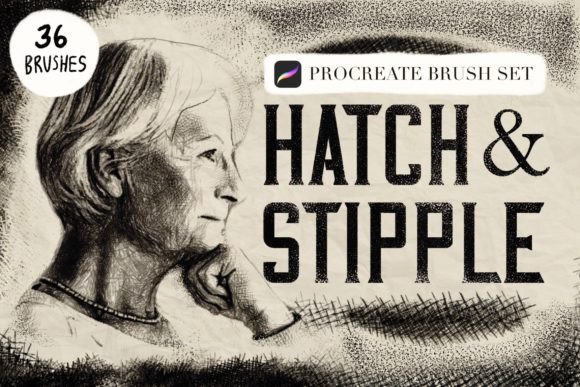
Digital art often suffers from a "too clean" aesthetic. Without careful manipulation, drawings can look flat or overly processed. Achieving the nuanced imperfections of pen-on-paper requires more than just a standard round brush with opacity jitter. It demands a specialized toolkit that mimics the physical behavior of nibs, quills, and markers. The Hatch Stipple Brushes address this need directly by providing thirty-six distinct tools, each engineered to replicate specific analog techniques.
What sets this collection apart is the absence of filler content. In many brush packs, users find themselves sifting through dozens of variations that look nearly identical, differing only by minor noise adjustments. Here, every single brush offers a unique look or quality. Whether you are looking for tight, controlled cross-hatching for technical illustrations or loose, expressive stippling for atmospheric backgrounds, there is a dedicated tool for the job. This variety ensures that your workflow remains efficient, allowing you to select the right texture instantly rather than tweaking settings endlessly.
Understanding the Mechanics of Hatching and Stippling
To fully leverage these tools, it helps to understand the traditional techniques they emulate. Hatching involves drawing closely spaced parallel lines to create tonal or shading effects. Cross-hatching layers these lines at angles to deepen shadows and add complexity. Stippling, on the other hand, uses countless small dots to build up value and texture. Both methods rely on density; the closer the marks, the darker the area appears.
The Hatch Stipple Brushes automate much of the randomness inherent in these manual processes. When you drag the stylus across the canvas, the brushes do not simply stamp a static image. They respond to your speed, pressure, and tilt, creating a dynamic flow that feels natural. This responsiveness is crucial for maintaining the illusion of hand-crafted art. You can layer these effects to build depth, starting with light, sparse strokes and gradually increasing density to define form and shadow.
Practical Applications for Modern Workflows
These brushes are not limited to fine art reproductions. They fit seamlessly into various modern creative workflows, including:
- Vintage Poster Design: Create authentic retro advertisements that mimic the printing limitations of the early 20th century.
- Editorial Illustration: Add gritty, textured overlays to portraits and scenes for newspapers and magazines.
- Concept Art: Quickly block in textures for environments, such as rough stone walls or woven fabrics, without getting bogged down in detail too early.
- Tattoo Design: Simulate the dot-work and line-weight variations common in black-and-grey tattoo flash sheets.
The versatility of the set means you can switch from delicate facial shading to bold architectural rendering within the same project. This adaptability makes it a favorite among professionals who need to maintain a consistent artistic voice across different types of commissions.
Techniques for Maximum Realism
Owning the right tools is only half the battle; knowing how to use them effectively transforms good art into great art. One of the most powerful features of working with Hatch Stipple Brushes in Procreate is the ability to combine digital precision with organic texture. A top tip for achieving professional results involves using the automatic selection tool.
Instead of trying to manually hatch within complex boundaries, use the automatic select tool to mask off a specific area of your drawing. Once the area is selected, you can confidently stipple or hatch around the edges and fill the interior without worrying about going outside the lines. This technique was used to create the striking cup images often showcased with this brush set. By masking the object first, you ensure crisp edges while allowing the texture inside to remain loose and expressive. This contrast between sharp containment and organic fill creates a visually compelling effect that draws the viewer’s eye.
Another critical technique involves pressure sensitivity. Do not be afraid to press down harder as you build up texture. Increasing the pressure often increases the size or density of the brush stroke, allowing you to darken specific areas dynamically. This mimics the way an artist might bear down on a pen to emphasize a shadow or a contour. Try varying your pressure within a single stroke to create tapering lines that feel alive and energetic.
Layering for Depth and Complexity
Rarely will a single pass of a hatch brush provide the full range of tones needed for a finished piece. The magic happens in the layering. Start with a base layer of light stippling to establish the general form. Then, introduce a different hatch pattern on a new layer to add mid-tones. Finally, use a denser, darker brush for the deepest shadows.
Because each of the thirty-six brushes has a unique character, you can mix and match them to avoid repetitive patterns. For instance, you might use a fine, diagonal hatch for the background and a coarser, irregular stipple for the foreground subject. This variation keeps the viewer engaged and prevents the artwork from looking mechanical. Remember to experiment with blend modes as well; setting a texture layer to Multiply or Overlay can integrate the hatch marks more naturally with the colors beneath.
Why Quality Matters in Brush Selection
When investing time in learning a new medium, the quality of your tools dictates the ceiling of your potential output. Low-quality brushes often suffer from visible tiling, where the repeating pattern of the texture becomes obvious and distracting. The Hatch Stipple Brushes are engineered to minimize this issue through intelligent randomization and high-resolution assets.
Furthermore, the lack of fillers means you spend less time organizing your library and more time creating. Each brush has been curated to serve a distinct purpose. Whether you need a soft, airy texture for clouds or a harsh, jagged line for distressed metal, there is a specific tool ready to go. This curation respects the artist's time and creative energy, allowing for a smoother, more intuitive drawing experience.
Embracing the Vintage Aesthetic
There is a growing appreciation for the imperfect, the handmade, and the nostalgic. In an era dominated by AI-generated smoothness and hyper-realistic 3D renders, the human touch stands out. Using Hatch Stipple Brushes allows you to tap into this vintage aesthetic effortlessly. It provides a quick and easy way to get authentic drawings that feel like they were pulled from an old sketchbook or printed in a decades-old newspaper.
This style resonates with audiences because it feels personal. It suggests effort, skill, and intentionality. Whether you are designing packaging for artisanal coffee, illustrating a children's book with a classic feel, or creating social media content that needs to stand out, these textures add a layer of sophistication and warmth that flat colors cannot achieve.
Ultimately, the goal of digital art should not always be to hide its digital nature, but sometimes to celebrate the traditions of the past through modern technology. With the right approach and the right tools, you can create work that honors the history of illustration while leveraging the power of Procreate. The Hatch Stipple Brushes offer a robust, versatile, and highly realistic solution for artists ready to elevate their textural game. By mastering the interplay of selection masks, pressure sensitivity, and layered hatching, you unlock a world of creative possibilities that are both timeless and thoroughly contemporary.